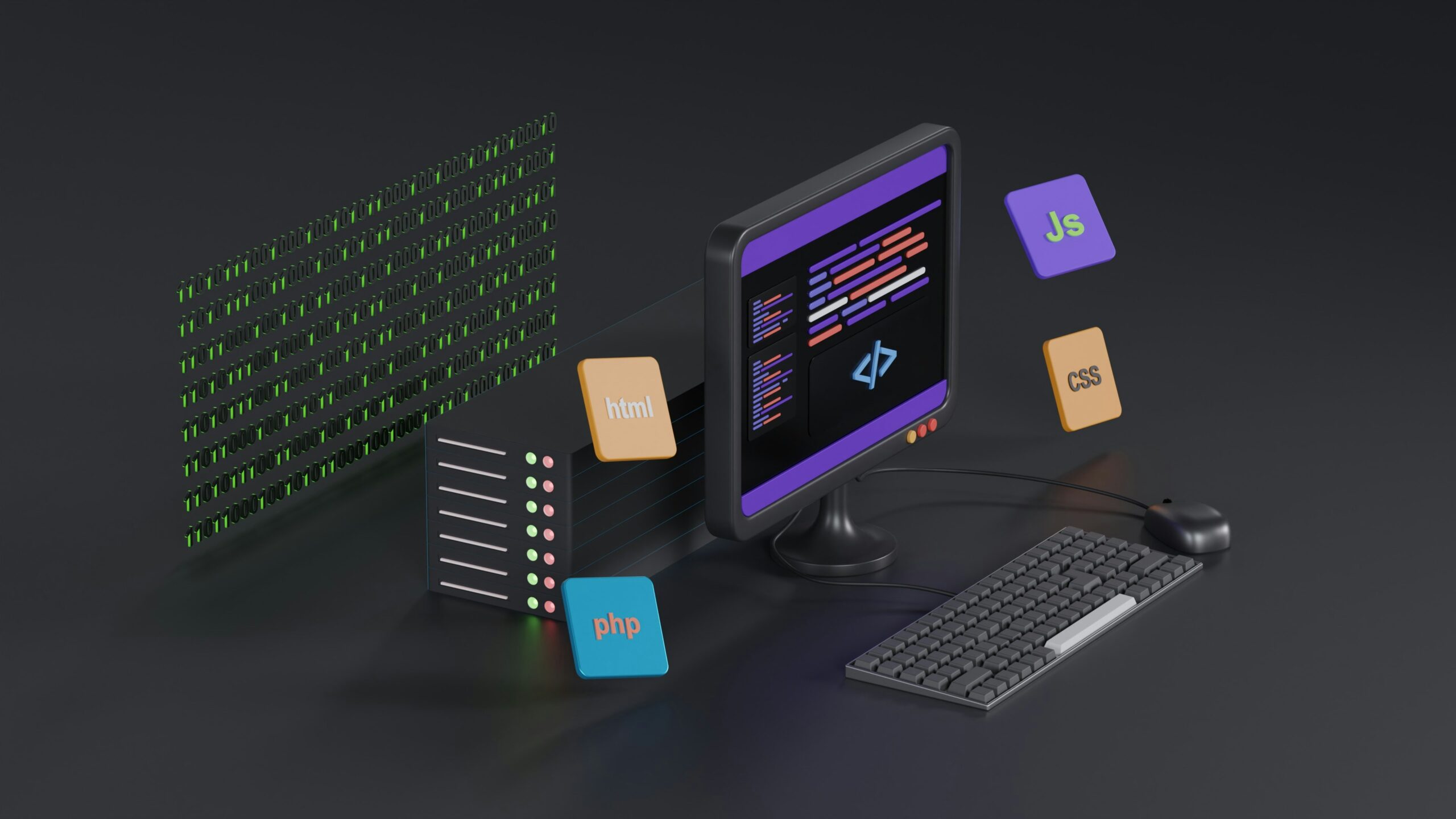

Web development is broadly categorized based on where the code runs and what function it serves. While traditionally split into three core disciplines, specialized branches have also emerged to build specific digital products.
1. The Core Categories
A. Front-End Development (Client-Side)
Front-end development focuses entirely on everything a user sees, touches, and experiences directly in their web browser.
-
What they do: Translate UI/UX wireframes into functional, accessible, and responsive user interfaces.
-
Core Technologies: HTML, CSS, and JavaScript, alongside frameworks and libraries like React, Vue.js, or Angular.
-
Primary Goal: Ensuring the website looks stunning, loads quickly, and behaves seamlessly across all screens (mobile, tablet, and desktop).
B. Back-End Development (Server-Side)
Back-end development is the unseen engine room that powers a website. It handles the logic, database interactions, user authentication, and server communication that users never directly see.
-
What they do: Write server scripts, structure databases, secure user data, and build APIs.
-
Core Technologies: Node.js, Python, PHP, Java, Ruby, and databases like PostgreSQL, MySQL, or MongoDB.
-
Primary Goal: Keeping the application fast, secure, and capable of processing data accurately under heavy traffic.
C. Full-Stack Development
Full-stack developers are the “generalists” of the web world. They possess proficiency in both front-end and back-end technologies.
-
What they do: Build and manage an entire application from database setup to the final user interface.
-
Primary Goal: Provide end-to-end oversight, making them especially valuable for startups, smaller teams, and rapid prototyping.
2. Specialized Types of Web Development
Beyond the foundational layers, development is often categorized by the specific type of product being built:
-
E-Commerce Development: Focused on building online stores. It incorporates secure payment gateways (like Stripe or PayPal), shopping cart logic, product management inventories, and checkout workflows (using platforms like Shopify, WooCommerce, or custom stacks).
-
Content Management System (CMS) Development: Building and customizing sites where non-technical users can easily publish and manage content (using platforms like WordPress, Drupal, or headless CMS setups).
-
Web Application Development: Creating complex, highly interactive tools that behave like native desktop or mobile apps directly inside a browser (e.g., Google Docs, Trello, SaaS platforms).
-
API & Integration Development: Building specialized microservices and web APIs that allow distinct software systems, mobile apps, and third-party services to talk to each other seamlessly.
Quick Comparison Summary
| Type | Focus Area | Key Technologies |
| Front-End | Visuals, layout, and user interaction | HTML, CSS, JavaScript, React |
| Back-End | Servers, databases, logic, and security | Node.js, Python, SQL, MongoDB |
| Full-Stack | Both client-side and server-side operations | Combines Front-End and Back-End tools |